
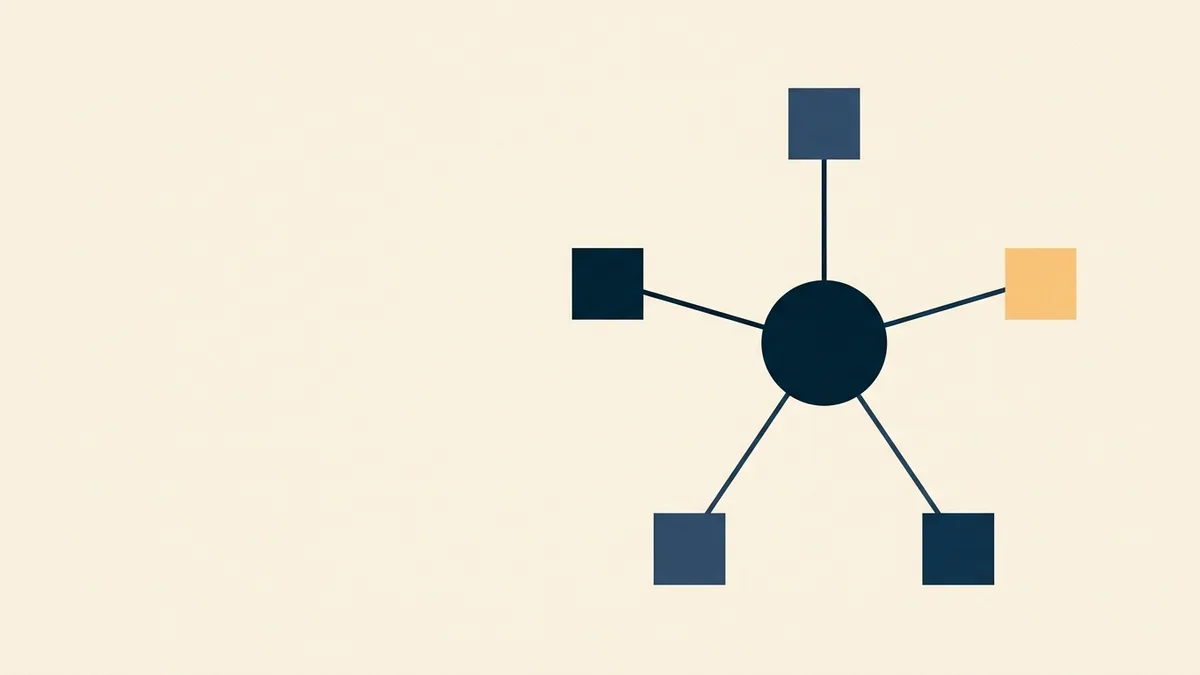
Every state asks for the same four things: current NCCPA certification, a degree from an ARC-PA accredited program, a fingerprint background check, and verification of every license you have ever held. What varies is the supervision or collaboration agreement — and in several states the board will not issue until a named physician is on file.
Applications look bespoke and mostly are not. Four requirements are effectively universal. One varies enough to reset your timeline, and it is the one people leave until last.
NCCPA certification
Current, in good standing, verified from NCCPA directly. This is the gate every state shares and it is also the gate for the compact when privileges open. A certification that lapsed during a career break has to be restored before anything downstream can start, which makes it sequential rather than parallel work.
An ARC-PA accredited degree
Accredited at the time the degree was conferred, which is not the same as accredited now. For most applicants this is a non-issue they never think about. It becomes a real problem where a program has since closed, merged, or moved between provisional and full accreditation — two graduates a year apart can have materially different applications.
Fingerprints
Results return on the state’s schedule through the state’s vendor. Nothing you do accelerates this, which makes when you start it the only variable you control. Many states require prints captured through their own vendor, so a Live Scan taken locally may not be accepted and hard-card processing may be needed — slower, and with a real rejection rate for print quality.
Verification of every license you hold or have held
Including lapsed ones. Boards query primary sources and assemble their own picture, which includes licenses issued for a rotation a decade ago and never renewed.
This is the most common cause of a stalled file, and almost never through concealment. A license that does not feel current does not get listed. The board finds it anyway, and an undisclosed prior license is a materially different problem from a lapsed one.
Then the part that varies
The supervision or collaboration arrangement. States differ on what the agreement must contain, whether a named physician must be registered before issuance, how many PAs one physician may cover, and whether accumulated practice hours reduce the requirement.
Several states will not issue until that agreement is on file. That turns something you might treat as post-licensure housekeeping into a blocking dependency — and it is the single most useful thing to start on day one rather than day sixty.
What this means for filing several states
The four universal items are gathered once and reused. The fifth is genuinely per-state work.
That is why filing several states together costs less than filing them separately. Not a discount — verifications that do not need repeating.
Common questions
- What do I need to apply for a PA license?
- Current NCCPA certification, a degree from an ARC-PA accredited program, a fingerprint background check, verification of every license you have ever held, and a supervision or collaboration agreement with a physician.
- Why is my PA license application taking so long?
- Usually a missing item rather than a queue. The most common is an undisclosed prior license found during verification; the second is a transcript you forwarded yourself instead of having your program send it.
- Do I need a job before applying for a PA license?
- In most states no, but if the state requires a named collaborating physician before issuance, the file will sit at that step until one is registered. Ask the board whether it will hold a pending application.
- Can I send my own transcript to the licensing board?
- Usually not. Most boards require official transcripts sent directly by the institution or its clearinghouse, and a sealed copy you were given does not satisfy the requirement.
Need Help with Your Application?
We handle the PA licensure process end-to-end — eligibility screening, documents, board follow-ups, and tracking.