
Two to four months from a complete filing is typical, and slower states run longer. Very little of that is a board reading your file — it is fingerprint results, transcripts in transit, and verification from every prior board. Running those in parallel rather than in sequence is the only lever that reliably works.
Two to four months from a complete filing is typical. The useful question is not how long it takes but what the time is actually spent on, because that determines which levers work.
Where the weeks actually go
Almost none of the elapsed time is a board deciding something. It is other organizations answering requests: a fingerprint vendor sending prints onward, a state police agency and the FBI running checks, prior boards responding to verification requests, a registrar producing a transcript.
That is why effort has so little effect on the total and why sequencing has so much. Requests issued in one week finish in parallel; requests issued as each previous one returns finish in series, and the difference across a multi-state project is measured in months.
Where the weeks go
Fingerprint results come back on the state’s schedule through its own vendor. Transcripts travel from your program at your program’s pace and must come from them rather than you. Every board you have ever been licensed by has to respond to a verification request, and one slow board sets the pace for the entire file.
In states requiring a named collaborating physician before issuance, that arrangement can block everything else regardless of how complete the rest is.
The board’s own review is frequently the smallest component. Which is counterintuitive, because it is the only part anyone pictures.
Parallel, not sequential
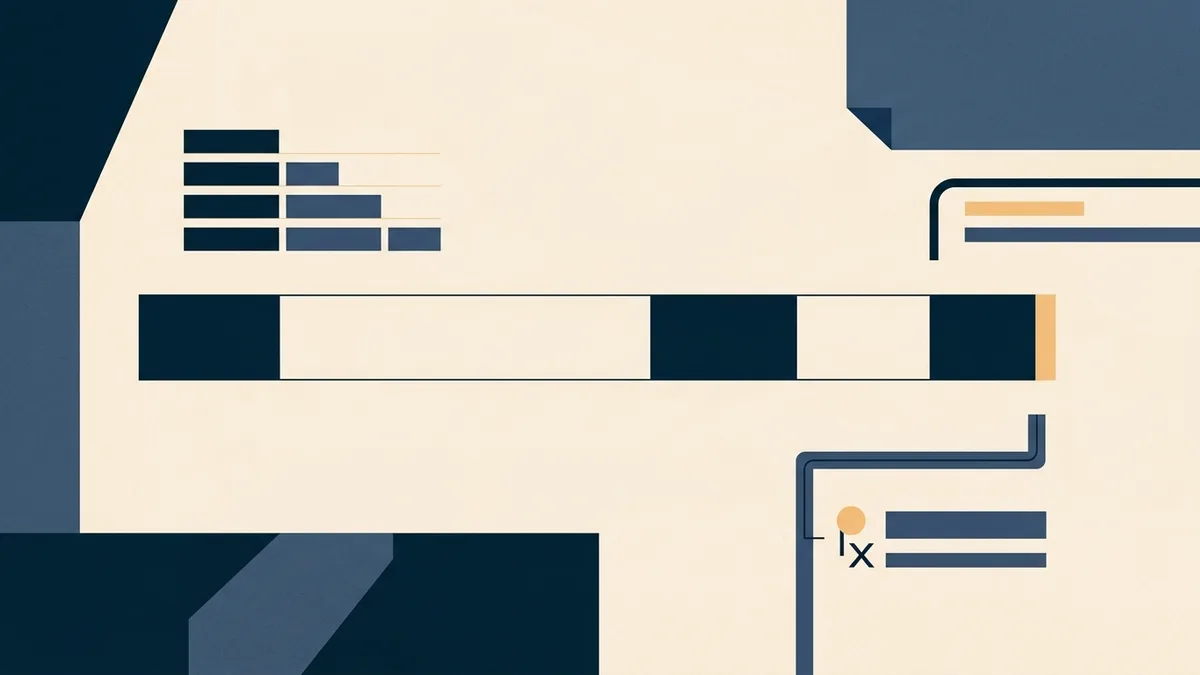
The single largest saving available is ordering the dependencies concurrently. Most of the elapsed time is other organizations responding, and those responses do not have to be serialized — but they will be if each request is made only after the previous one arrives.
Order the transcript before filing. Request verification from every prior board on day one rather than as items are flagged. Book fingerprinting immediately. Start the collaborating-physician arrangement at the outset in states that require one.
Done sequentially, three items at three weeks each become nine weeks. Done together they are three.
Filing complete matters more than filing early
An application returned for a missing item does not resume where it stopped. In many states it goes back to the end of the queue, which converts a two-week omission into a two-month one.
That is an argument against submitting to start the clock. The clock does not start until the file is complete.
What does not work
Expedite requests, in most states. Calling the board. Paying more. None of these are levers on fingerprint queues, registrar processing or another board’s response time, and those are where the months are.
Common questions
- How long does a PA license take?
- Two to four months from a complete filing is typical, and slower states run longer. Most of that is fingerprint results, transcripts in transit and responses from prior boards, not the board reading your file.
- Can I expedite a PA license application?
- In most states, no. Expedite options where they exist do not affect fingerprint queues, registrar processing or another board's response time, which is where the months actually are.
- How far in advance should I apply for a PA license?
- At least four months before your intended start date. Longer if the state requires a named collaborating physician before issuance, or if you have held licenses in several states.
- What is the fastest way to get a PA license?
- Run the dependencies in parallel rather than in sequence. Order transcripts and request verification from every prior board on day one instead of waiting for the board to flag each item.
Need Help with Your Application?
We handle the PA licensure process end-to-end — eligibility screening, documents, board follow-ups, and tracking.